Music Perception
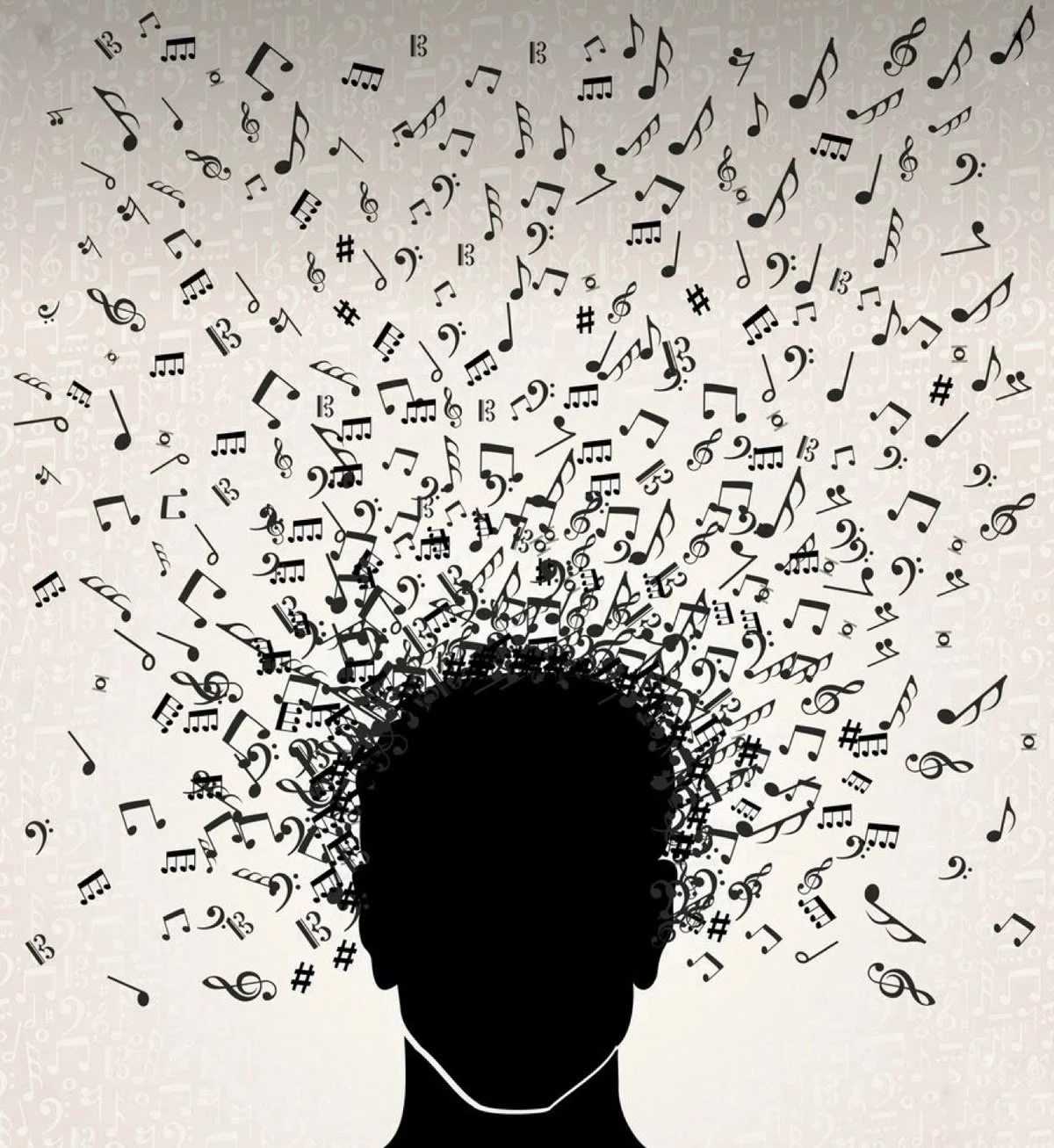
This outreach project goal is to briefly explain how we perceive music, how deficits in music perception reveal the brain structures and how musical imagery shows the brain’s ability to generate sound internally. Together, these areas demonstrate why music is a powerful tool for understanding neural organization, cognitive processing, and the interaction between perception and imagination.
How does the Brain process music?
Structural Foundations (Neural Basis)
Go to min. 4:20 in the video!
-
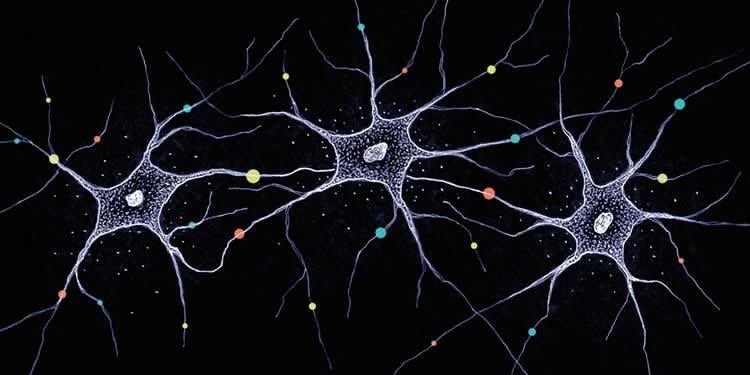
Auditory Cortex Organization
- Primary auditory cortex (A1)
- Tonotopic maps (frequency maps)
-
Higher-level music processing areas
- Superior temporal gyrus
- Planum temporale
- Frontal areas for rhythm and prediction
-
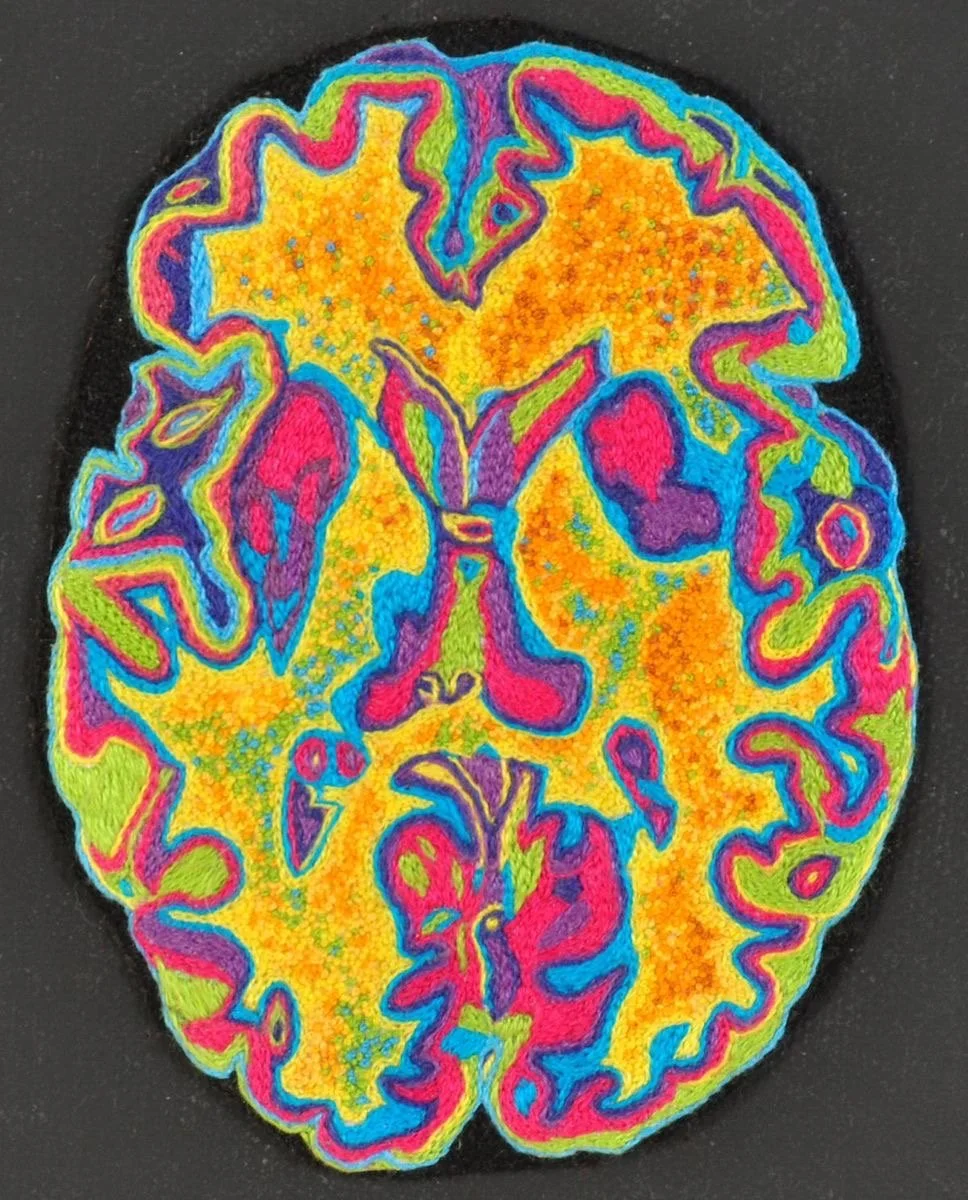
Integration with emotion and memory
- Limbic system (amygdala, nucleus accumbens)
- Hippocampus for memory
-

Motor system involvement
- Why we tap our foot
- Premotor and basal ganglia involvement in beat perception

Perceptual Imagery in Music
Congenital Amusia (Tone Deafness)
Problems with pitch discrimination
Neural basis (less connectivity in right auditory cortex)
Music Agnosia
Inability to recognize familiar music
Links to language disorders (optional)
Prosody perception deficits